Introduction to Streaming Services
The streaming services industry has undergone a significant transformation in recent years, fueled by advancements in technology and an increasing demand for on-demand content. This evolution has allowed various platforms to emerge, with Netflix and Amazon Prime standing out as two of the most prominent contenders. Initially born out of traditional media, these platforms have adapted to changing consumer preferences, moving away from conventional cable subscriptions to offering flexible viewing options.
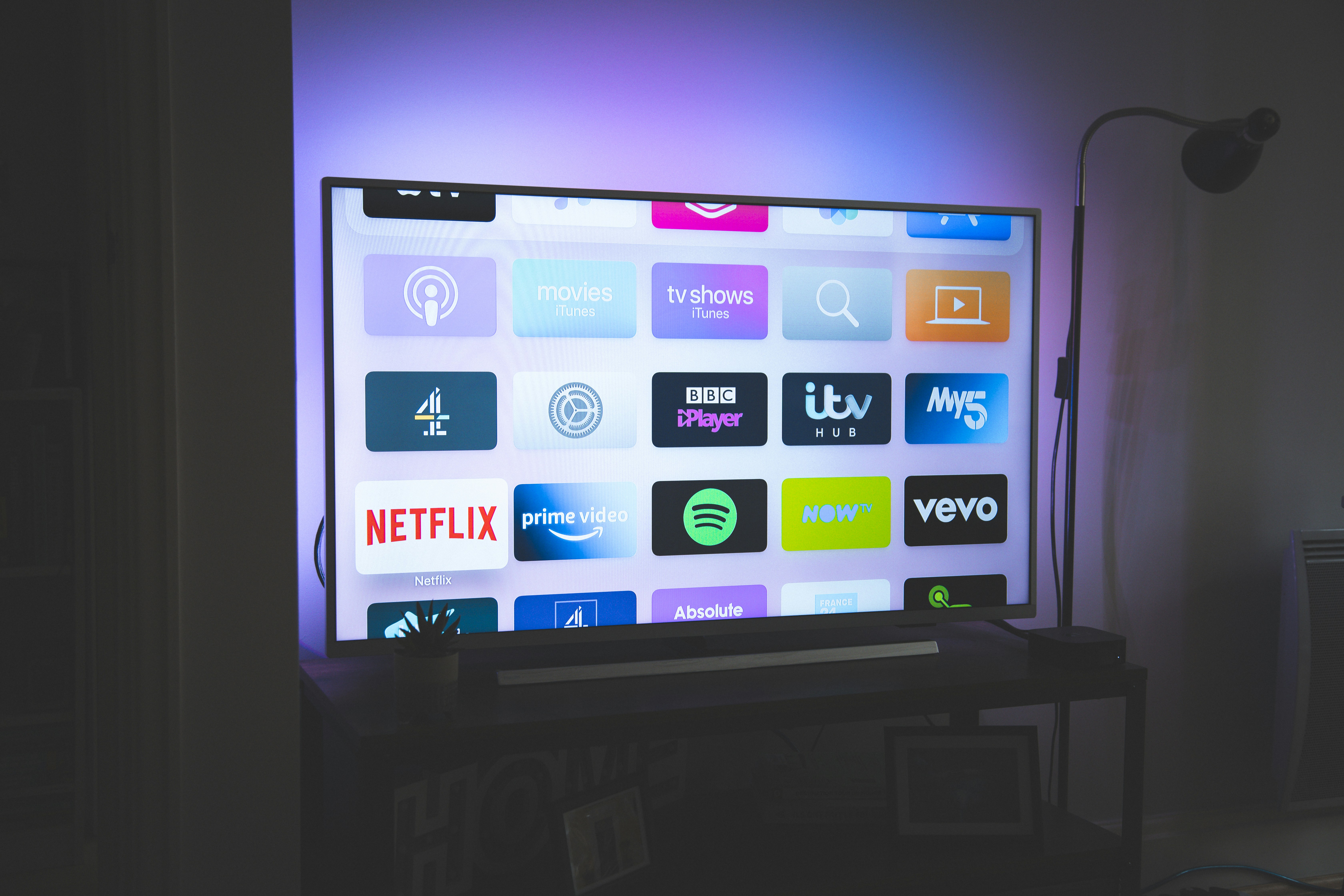
Both Netflix and Amazon Prime have navigated this landscape by investing heavily in original content, which has become an essential component in attracting and retaining subscribers. Original shows are not merely a means of filling content libraries; they serve as a strategic tool to differentiate the platforms from one another and from their competitors. Unique and engaging original programming cultivates viewer loyalty and fosters a sense of community among subscribers, which is increasingly important in a saturated market.
The definition of what constitutes original content may vary between platforms, with Netflix investing in standalone series and films, while Amazon Prime often integrates original programming with its broader e-commerce ecosystem. This distinction shapes the viewing experience and influences audience preferences. Additionally, the release strategies employed by these platforms—ranging from binge-worthy full-season drops to staggered episodes—also play a critical role in viewer engagement and satisfaction.
As streaming services continue to evolve, the leadership demonstrated by Netflix and Amazon Prime in the original shows segment underscores their commitment to providing innovative and appealing content. This commitment not only attracts viewers but also enhances their competitive edge in an ever-changing digital landscape.
Overview of Netflix’s Original Content
Netflix has emerged as a dominant player in the streaming industry, significantly impacting how audiences consume entertainment through its original content. Since investing in original programming, Netflix has diversified its offerings across various genres, including drama, comedy, thriller, science fiction, and documentaries. The platform’s commitment to producing high-quality shows has attracted a vast subscriber base, eager for unique storytelling.
Noteworthy titles such as “Stranger Things,” “The Crown,” and “House of Cards” have not only captured the imagination of viewers but also garnered numerous awards. “Stranger Things,” a nostalgic homage to 1980s pop culture, combines elements of horror and adventure and has become a cultural phenomenon, engaging various age groups and inspiring merchandise, themed events, and a dedicated fan base. Similarly, “The Crown” has been praised for its meticulous attention to historical detail, portraying the reign of Queen Elizabeth II and the complexities within the British royal family.
The diversity in Netflix’s original shows is further exemplified by the inclusion of international content, such as the popular Spanish series “Money Heist” (La Casa de Papel) and the Korean drama “Squid Game.” These series have not only gained acclaim within their respective markets but also achieved global popularity, reflecting Netflix’s strategy of tapping into different cultures and storytelling traditions. This approach demonstrates an understanding that audiences are increasingly seeking fresh perspectives and unique narratives.
Moreover, Netflix has consistently been recognized at various award ceremonies like the Emmys and the Golden Globes, a testament to the quality of its original programming. In recent years, the platform has secured a significant number of nominations and wins, underscoring its status as a powerhouse in the entertainment landscape.
Overview of Amazon Prime’s Original Content
Amazon Prime Video has steadily established itself as a formidable contender in the competitive landscape of streaming services, primarily through its original content offerings. Launched in 2013 with the series “House of Cards,” Amazon has since diversified its library, showcasing a range of genres including drama, comedy, thriller, and science fiction. The platform aims to cater to varied audiences, ensuring that there’s something for everyone.
One of the hallmark shows that elevated Amazon Prime’s reputation is “The Marvelous Mrs. Maisel,” a period comedy-drama that has received critical acclaim and multiple awards. This series exemplifies Amazon’s commitment to quality storytelling, with a focus on strong character development and witty dialogue. This unique approach has set it apart from its competitor, Netflix, which often leans towards more mainstream or binge-worthy series.
Additionally, Amazon has proven its capability in producing high-budget series, evident in works like “The Wheel of Time” and “The Boys”. These shows focus on expansive world-building, intricate plots, and character arcs that resonate with the audience. Furthermore, Amazon Prime’s willingness to invest in diverse narratives—such as the historical drama “Hunters” and the animated fantasy series “Undone”—demonstrates its aim to innovate within the medium while appealing to a broad demographic.
In terms of user experience, Amazon Prime Video’s integration with other Amazon services enhances its original content visibility. Custom recommendations based on user preferences ensure that audiences discover new shows and films tailored to their tastes. By creating a library of original content that is not only entertaining but also varied and high-quality, Amazon Prime continues to strengthen its position in the streaming market in competition with Netflix.
Key Comparisons: Quality of Content
In evaluating the quality of original shows offered by Netflix and Amazon Prime, several metrics come into play. Critical reception, viewer ratings, and audience engagement are essential factors in forming a comprehensive understanding of each platform’s offerings. Both streaming services have invested heavily in creating unique and compelling content, aiming to capture the interest of diverse audiences.
Netflix has carved out a reputation for producing high-quality original series and films that resonate with critics and viewers alike. Titles like “Stranger Things” and “The Crown” have not only garnered numerous awards but also boast impressive viewer ratings. The platform’s commitment to storytelling is reflected in its willingness to take creative risks, which often results in innovative narratives that captivate audiences.
On the other hand, Amazon Prime has leveraged its original shows to garner significant acclaim and viewer loyalty. Programs such as “The Marvelous Mrs. Maisel” and “Fleabag” showcase a range of storytelling styles and have received high praise from critics and fans. Amazon’s approach often includes a focus on character-driven narratives, which invites deeper audience engagement and analysis.
Moreover, the metrics of audience engagement are vital in assessing quality, as they indicate how effectively a show connects with its viewers. Both platforms utilize ratings and viewer feedback to gauge success. According to various surveys, Netflix tends to draw in a larger subscriber base, reflecting its ability to consistently provide content that captures viewer attention. However, recent trends show that Amazon Prime’s offerings are cultivating a dedicated following of their own, indicating a growing competitive dynamic between the two services.
Ultimately, while both platforms have their strengths, the quality of original shows remains subjective and varies according to individual taste. Nonetheless, by considering critical reception and audience engagement, one can appreciate the distinct characteristics that each service brings to the streaming landscape.
Diversity of Genres and Audiences
In the evolving landscape of streaming services, both Netflix and Amazon Prime Video have made significant strides in offering an extensive array of original shows that cater to a wide range of genres and audience preferences. Each platform has its unique strengths, appealing to diverse viewer demographics and showcasing the complexities of modern storytelling.
Netflix has become known for its rich variety of content that spans genres including drama, comedy, horror, and documentaries, as well as showcasing international productions that resonate with global audiences. Examples such as “Stranger Things” and “The Crown” highlight its ability to create compelling narratives that attract viewership across different cultural backgrounds. Additionally, Netflix invests in niche genres, such as true crime and anime, allowing it to reach specialized audiences and establish a diverse subscriber base that appreciates multifaceted storytelling.
Amazon Prime Video, on the other hand, also boasts an impressive library of original content. It has made a considerably strong presence in genres like science fiction, fantasy, and historical dramas. Series such as “The Marvelous Mrs. Maisel” and “The Boys” exemplify Amazon’s strategy of appealing to varied interests while also prioritizing high production values and strong character development. Moreover, Amazon has made significant efforts to appeal to specific demographics through localized content, providing viewers with shows that reflect regional cultures and stories.
The differing strategies of Netflix and Amazon Prime in curating original shows reveal the dynamic nature of content consumption today. Subscribers often make choices based on personal tastes, ensuring that both platforms maintain substantial viewership across diverse genres. The expansive offerings of each service not only illustrate engagement with various cultural narratives but also underline the importance of inclusivity in entertainment.
Cost and Value Considerations
The ongoing debate between Netflix and Amazon Prime Video encompasses various factors, but cost and value are among the most significant for subscribers. Both platforms offer diverse subscription options, each with distinct pricing structures and unique features that appeal to different user needs.
Starting with Netflix, the platform provides three subscription tiers: Basic, Standard, and Premium. The Basic plan typically allows single-screen streaming at a lower cost, while the Standard and Premium options offer higher definition and multiple-screen viewing. These varying plans appeal to different consumer preferences, making it easier for subscribers to choose based on their viewing habits and budget constraints.
On the other hand, Amazon Prime Video operates under a different model. While users can subscribe to Prime Video independently, many opt for the broader Amazon Prime membership, which includes benefits across Amazon’s retail offerings. The value of Amazon Prime lies not only in its streaming services but also in additional perks such as free shipping, access to music streaming, and exclusive shopping deals—all for a price that is often comparable to Netflix’s basic plan.
When evaluating perceived value, it is essential to consider not just the subscription fees but the exclusivity and quality of original content available on each platform. Netflix has made significant investments in original programming, producing a vast library of exclusive films and series that have gained critical acclaim and audience loyalty. Alternatively, Amazon Prime Video also boasts a growing selection of original content that has garnered awards, indicating its commitment to enhancing its service.
In summary, while both Netflix and Amazon Prime offer compelling content, the decision ultimately hinges on individual needs, preferred viewing experiences, and how subscribers perceive the value of the services provided. Understanding the cost dynamics and evaluating the overall value proposition can guide potential subscribers in making an informed choice between these two popular platforms.
User Experience and Accessibility
When considering streaming services, the user experience and accessibility of their interfaces play a crucial role in determining viewer satisfaction. Netflix and Amazon Prime both strive to provide a user-friendly experience, but their approaches diverge significantly in some aspects.
Netflix’s interface is characterized by its sleek design and intuitive navigation. Users are greeted with personalized recommendations based on their viewing history, fostering a sense of engagement from the start. The content is organized into various categories, which simplifies the discovery of new shows and movies. Additionally, the platform’s use of large visual thumbnails enhances the browsing experience, allowing users to quickly assess the appeal of titles. The search functionality is also robust, with options to filter content by genres, release years, and even by specific actors or directors, making it easier for users to find exactly what they want to watch.
In contrast, Amazon Prime offers a more utilitarian interface. While it also provides personalized suggestions, users often report that the homepage can feel cluttered, with promotional content for different services layered on top of regular film and series recommendations. Unlike Netflix, the search capabilities may not be as clear-cut; users might need to sift through categories that include not just Amazon Prime content but also shows available for rent or purchase. This can sometimes dilute the experience, making it less straightforward for viewers solely interested in Prime’s original offerings.
Accessibility is another cornerstone of user experience. Both platforms prioritize features like closed captioning and audio descriptions to cater to individuals with hearing or visual impairments. However, Netflix is often recognized for its commitment to accessible content, frequently updating its features based on user feedback. Amazon Prime has made strides in this area, yet some of its features may lag compared to Netflix’s comprehensive accessibility options.
Future of Original Content on Each Platform
The landscape of original programming on streaming platforms continues to evolve rapidly, with both Netflix and Amazon Prime Video at the forefront of this transformation. As viewer demands shift and competition intensifies, it is imperative for these platforms to innovate and adapt their content strategies.
Netflix, having pioneered the original content model with groundbreaking shows, is poised to further strengthen its catalog. Expectations for the future suggest the development of more diverse genres, including educational programming and niche storytelling. As consumer preferences increasingly gravitate towards personalized content experiences, Netflix may continue to leverage sophisticated algorithms to curate and recommend shows that align closely with individual viewer interests. This step toward customization could enhance viewer engagement and retention.
Conversely, Amazon Prime Video is likely to enhance its offerings through robust partnerships and content collaborations. The platform has already made strides in acquiring and producing a wider range of original series that appeal to global audiences. The success of shows that reflect local cultures and diversity indicates a strategic direction for Amazon to invest in international content, tapping into untapped markets. Furthermore, as Amazon integrates its streaming service more closely with its e-commerce platform, we might witness unique hybrid experiences, where programming aligns with trending products, potentially transforming the viewer’s purchasing behaviors.
In summary, both Netflix and Amazon Prime Video are on pathways that prioritize originality and adaptability in their content offerings. With anticipated industry trends such as diversity in genres, personalized content delivery, and global expansion, viewers can expect a more tailored and engaging array of originals from both platforms in the coming years.
Conclusion: Making a Choice
As consumers increasingly turn to streaming services for their entertainment needs, choosing between Netflix and Amazon Prime Video can present a daunting challenge. Both platforms offer a range of original shows that cater to diverse tastes and preferences. To arrive at a decision, individuals must consider several factors when evaluating the two services.
Firstly, examining personal preferences is crucial. Netflix is known for its extensive library of original programming, often releasing entire seasons at once, which can appeal to binge-watchers. On the other hand, Amazon Prime occasionally adopts a staggered release schedule, adding an aspect of anticipation for its viewers. Depending on one’s viewing habits, these scheduling formats may significantly impact the overall satisfaction derived from the service.
Additionally, content needs should influence the decision-making process. Netflix has made a name for itself with a diverse range of genres, including drama, comedy, and documentaries, contributing to its global appeal. Meanwhile, Amazon Prime focuses on blending high-quality productions with unique content, often drawing on literary adaptations and high-budget formats. For viewers seeking specific types of programming, understanding which platform offers more of their preferred genres becomes a deciding factor.
Finally, it is essential to note the role of budget in choosing between the two platforms. While both services offer competitive pricing, factors such as bundled offers or annual subscription discounts can sway the choice. Ultimately, recognizing the balance of content preferences, viewing habits, and budget will lead to an informed decision.